Ride the Wild Edge of Skye

Set out along buses, ferries, and footpaths to meet Skye’s untamed residents. This guide focuses on transit‑linked wildlife watching across the island—otters, eagles, and seals—uniting clear directions, respectful etiquette, and lived experience. Expect tide‑timed wanderings, cliff‑edge scans, and harbor pauses that prove remarkable sightings can begin the moment your ticket is punched and the coastline rolls by.

Buses, Ferries, and Footpaths That Stitch the Coast
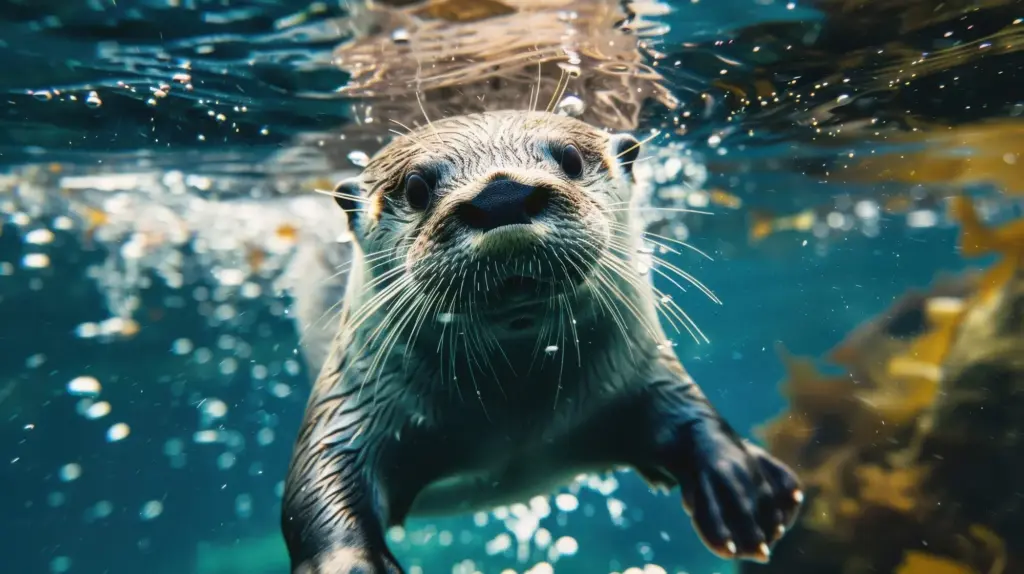
Buses trace sea lochs with patient regularity, while ferries bridge narrows where currents churn and birds rally. Using scheduled public transport, you can step off near kelp‑strewn bays, walk a few quiet minutes, and start scanning. We’ll link timetable logic with tide cycles, request‑stop etiquette, and transfers, turning simple rides into layered routes that multiply chances without adding environmental cost.

Timetables That Unlock Tides

Align departure times with lower tides to expose wrack lines, rock pools, and feeding rings that betray recent otter activity. Check tidal predictions alongside bus columns, and allow slack for missed connections. The extra half hour spent watching gulls settle can deliver a sudden ripple, a muzzle, then magic.

Connections Without Car Keys

Mix short walks from request stops with ferry hops that slide between peninsulas. Learn how to signal drivers, track last departures, and plan safe margins. Without a car, your rhythm lightens; the landscape sets the pace, turning waits into invitations for seals to bob and eagles to soar.

Small Footprint, Big Encounters

Choosing buses and boats lowers noise, parking stress, and shoreline intrusion, letting wildlife behave naturally. You notice wind shifts, kelp scent, and rain lines ahead. Conservation begins with transport choices; small steps compound as sightings accumulate, stories deepen, and your footprint remains as fleeting as foam on slate.

Quiet Waterlines Where Otters Work and Play
Reading the Shore Like a Local

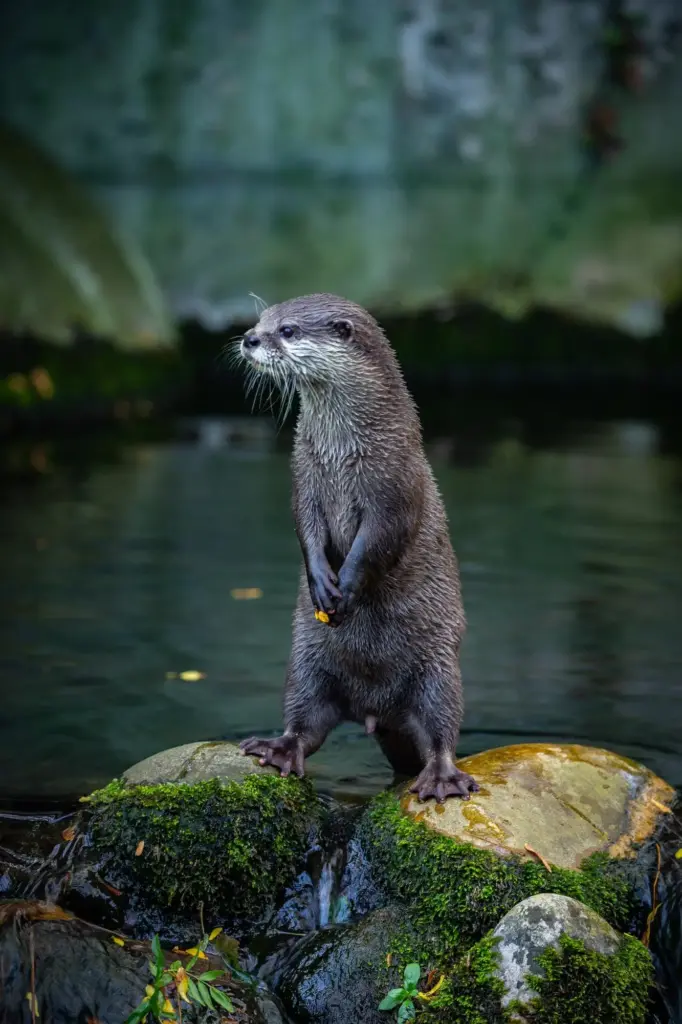
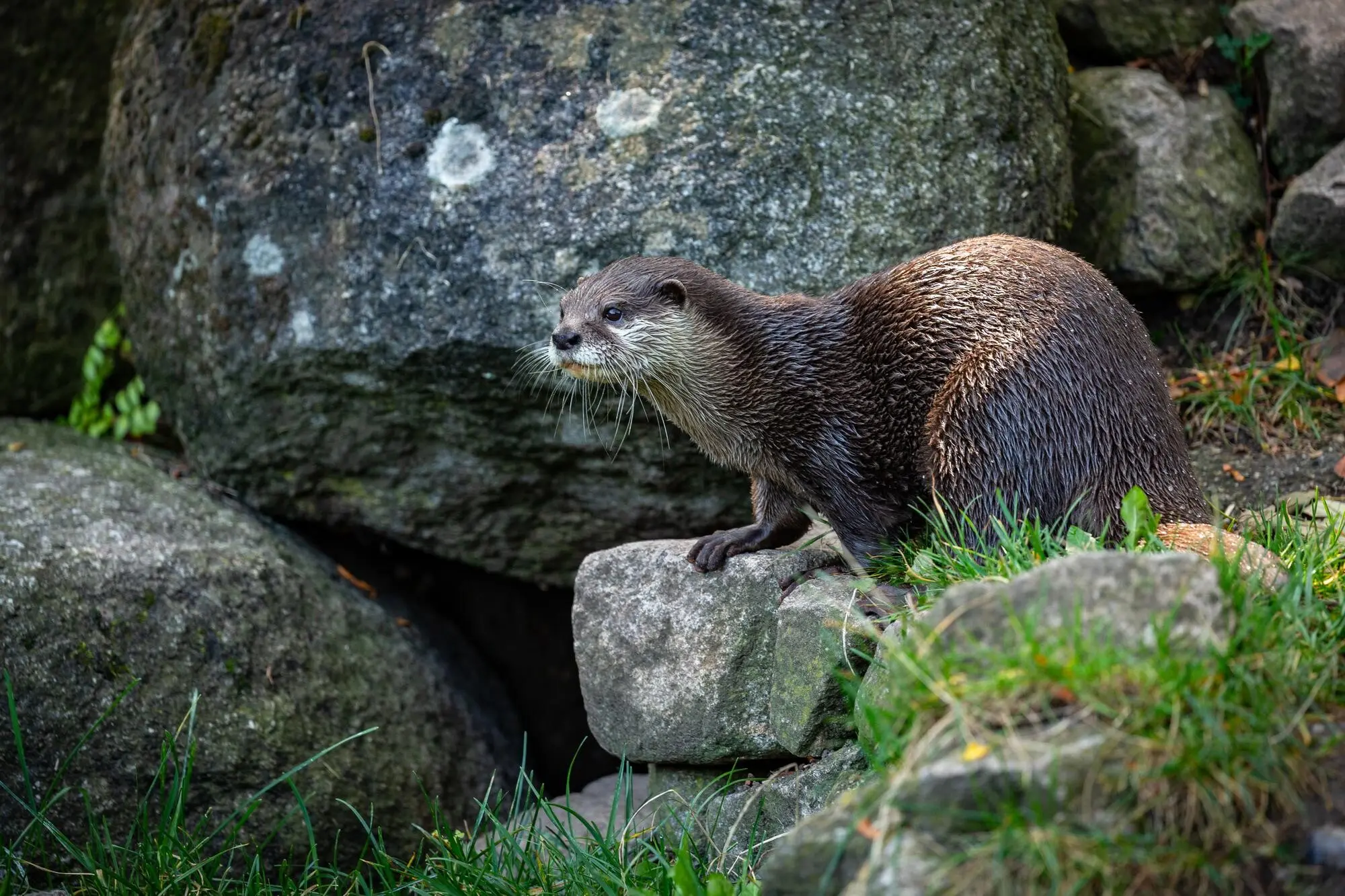
Train your eyes for repeating rings that do not drift like wind riffles. Learn musky spraint smell near prominent rocks, note fresh slides, and check kelp rafts for anchored feeding. Then step back, lower your profile, and let the shoreline reveal its shy, whiskered artisans at work.

Waiting Well at a Windy Lay‑by

Train your eyes for repeating rings that do not drift like wind riffles. Learn musky spraint smell near prominent rocks, note fresh slides, and check kelp rafts for anchored feeding. Then step back, lower your profile, and let the shoreline reveal its shy, whiskered artisans at work.

A Broadford Morning I Won’t Forget

Train your eyes for repeating rings that do not drift like wind riffles. Learn musky spraint smell near prominent rocks, note fresh slides, and check kelp rafts for anchored feeding. Then step back, lower your profile, and let the shoreline reveal its shy, whiskered artisans at work.

Kings of the Sky and the Sea Cliffs
High above tidal surge, great wings write slow arcs across borrowed thermals. White‑tailed eagles patrol sea lochs; golden eagles prefer sweeping moors and ridges. From bus‑reachable viewpoints, you can compare silhouettes, watch prey responses, and savor moments when cliffs, clouds, and timetables coincide with thunderous elegance.

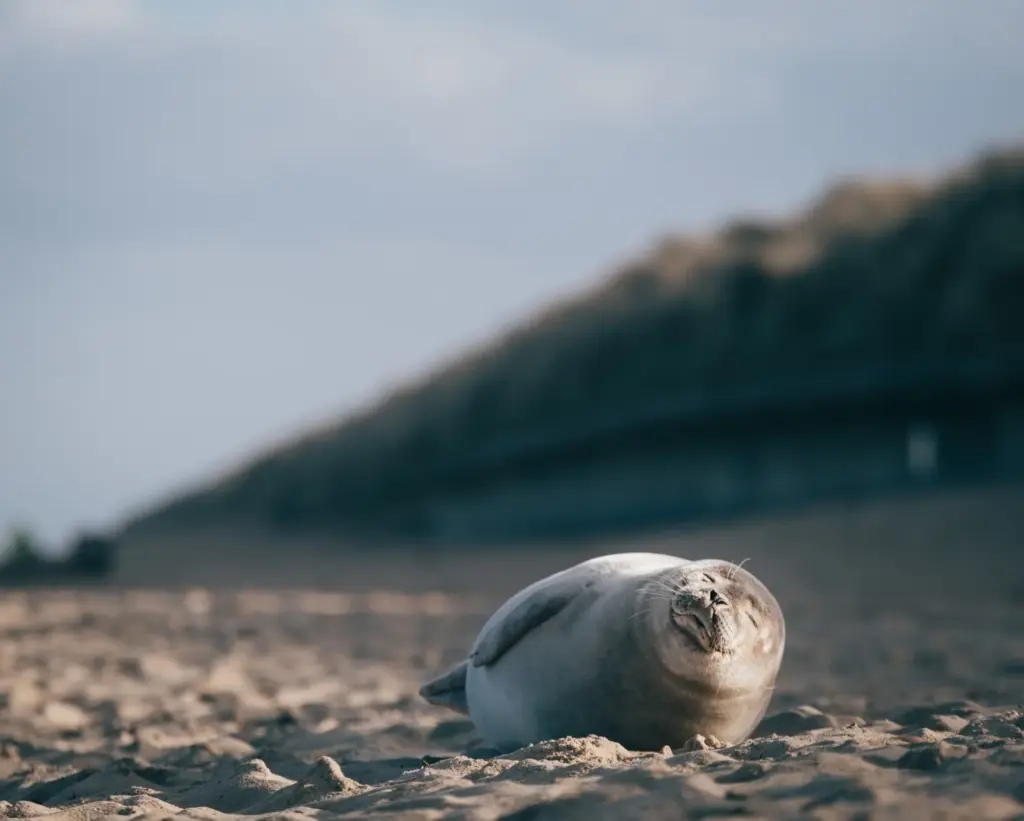
Reading a Resting Colony

Observe how individuals spread out with rising water, then pack tighter as ledges shrink. Note species differences calmly, comparing head shape, nostril spacing, and pelage patterns. Scribble counts, keep voices low, and share scopes kindly so everyone glimpses the tide‑ruled choreography without nudging resting bodies nearer the brink.

Ferry Windows as Floating Hides

Windows salt‑kiss, gulls draft in the wake, and otter‑studded kelp lines slide past like diagrams of plenty. Choose windward seats for clearer panes, brace elbows, and scan wake edges. A deck becomes a moving hide, framing honest distance that keeps wild neighbors comfortable and beautifully themselves.

Weather, Packing, and Fieldcraft for a Moving Day

Moving by transit encourages lighter kits and wiser choices. Pack layers that shrug off rain, quick snacks, and a small thermos. A microfiber cloth rescues optics; a dry bag rescues everything else. Embrace midges with humor, plans with cushions, and curiosity that outlasts fickle weather and timetables alike.

Pocketable Tools That Earn Their Keep

Compact binoculars with steady view, a foldable sit‑pad, and fingerless gloves make long waits kinder. Add a lightweight shell, insulating layer, and hat. Keep snacks reachable and trash contained. With hands warm and vision clear, small ripples become stories, and stories become lasting waypoints on future maps.

Wet Fronts, Clear Windows, Agile Plans

Skye’s skies switch quickly, so aim for movable goals rather than fixed checklists. Watch rain curtains on distant hills, let gaps guide your next stop, and keep an escape layer ready. Flexibility turns poor forecasts into silver‑edged reels of cloud drama and unhurried, rewarding shoreline study.

Stories, Neighbors, and Care for a Living Island

Leave It Better Than You Found It

Carry out litter, even the windborne pieces that were never yours. Tread lightly on machair, close gates carefully, and keep dogs leashed around lambing. Thank boat crews, visit community halls, and donate to rescue groups. Goodwill circles back as warm advice, knowing glances, and unexpected, whispered locations.

Listening to People Who Live the Weather

Locals read waves like diaries and clouds like promises. Ask permission when unsure, listen more than you speak, and accept that some places welcome distance. Stories shared on a bus bench can save you hours, spare a colony stress, and gift precisely timed, unforgettable sightings.

Seeing and Sharing with Sensitivity

Share sightings without announcing nests or sensitive dens. Use broad locations, celebrate behaviors, and credit patience. Encourage subscription to alerts from conservation groups, and invite respectful questions in our comments. Together, we nurture a culture where curiosity shines while vulnerable lives remain sheltered and wonderfully undisturbed.

Itineraries Woven by Buses and Bays

Here are flexible strands you can weave around bus times, tides, and weather. Each segment invites pauses for field notes, snacks, and unexpected wonders. Missed a connection becomes found time for scanning harbors, while an early arrival earns hillside minutes beneath lifting clouds and cruising silhouettes.

Dawn to Midday: Otter‑First Loop

Start with a dawn bus to a quiet bay, arriving on a falling tide. Work shorelines slowly, track rings, and keep the wind behind you. Break for coffee at a village bench, then ride onward, reviewing notes and photos while fields and water flow past contentedly.

Afternoon Thermals: Eagle Hours

By midday, heat stirs lift along slopes. Hop off near a short path, climb gently, and settle with a wide horizon. Practice silhouette identification between passing showers. When sunlight returns, so do shadows under wings, and you are ready to read their grand, effortless signatures.