Ride, Walk, Wonder: Exploring Skye Without a Car

Set off across the Isle of Skye using reliable public buses and soul-stirring footpaths. In this guide, we focus on Public Bus and Walking Trail Itineraries to Skye’s Signature Natural Sites, turning schedules into freedom and timetables into discovery. Expect practical routing ideas, safety wisdom, and human moments that happen between bus doors and trailheads. Meet drivers, greet locals, leave light footprints, and return with stories shaped by cliffs, waterfalls, and volcanic spires encountered at a walking pace and a traveler’s attentive, unhurried gaze.

Planning the Car‑Free Journey

Timetables, Seasons, and Fares

Begin by checking current schedules from regional operators serving Portree and key villages, noting that frequency often rises in summer and trims in winter. Aim for early departures, stay flexible with returns, and confirm last buses before committing to late sunsets. Contactless payment is widely accepted, but bring a backup card or cash. Day tickets can simplify multiple hops. Keep a screenshot of times, and if a driver suggests an easier connection, trust the lived expertise and update your plan graciously.

Packing for Unpredictable Skies

Skye’s weather loves swift changes, so lean on breathable layers, a reliable waterproof shell, and quick-drying trousers. Waterproof footwear with grippy soles keeps you surefooted on peat, boardwalks, and rocky steps. Add gloves, a warm hat, and a lightweight insulating layer for wind-whipped viewpoints. Pack high-energy snacks, a reusable bottle, and a small sit pad for damp ground. A compact headlamp and reflective accents assist during shoulder seasons. Stow essentials in a dry bag, and your spirits in patient good humor.

Navigation and Safety Basics

Download offline maps, understand contour lines, and follow established paths to minimize erosion. Inform someone of your route and planned bus connections, building margin for weather. Respect livestock, close gates, and give working dogs space. In boggy stretches, step on durable surfaces, not fragile vegetation. Carry a whistle, basic first aid, and an emergency number. If cloud descends or winds surge, turn back early. Shelter at a bus stop, enjoy a hot drink, and celebrate a wise decision.

Northern Icons in One Graceful Loop

The Trotternish peninsula strings together unforgettable views, with buses tracing the coast and footpaths climbing toward ancient lava formations. Begin and end in Portree, linking the Old Man of Storr, Lealt Gorge, and Kilt Rock into a satisfying, daylight-honoring circuit. Expect dramatic weather theaters, quick showers, and sudden sunbreaks lighting basalt cliffs. Mind turnaround times, protect knees on descents, and reward yourself with a bakery stop back in town, where timetables feel like postcards stamped by wind and salt.

Morning Ascent to the Old Man of Storr

Arrive early for quieter trails and softer light on pinnacles and sweeping sea lochs. The path climbs steadily on gravel and stone, with optional detours to higher viewpoints if conditions welcome you. Photograph respectfully from durable rock, yield on narrow sections, and savor the hush when wind pauses. If cloud seals the summit, notice textures underfoot and side angles that reveal sculptural silhouettes. Keep an eye on your return bus window, and layer up promptly after sweaty climbs.

Clifftop Pause at Kilt Rock and Mealt Falls

Continue north along the coast to an easy-access viewpoint where basalt columns drape like a pleated kilt beside a plunging waterfall. Railings improve safety, yet gusts demand prudence and a firm stance. Read the interpretive signs to appreciate geology and seabird life. A short visit fits neatly between buses, but give yourself minutes to simply listen to breakers and wind. Leave space at the rail for others, trade tips graciously, and mark your next connection without hurry.

Across Trotternish: Landslips and Fairy Landscapes

{{SECTION_SUBTITLE}}

Quiraing Circuit from the Main Road

Alight at a village on the north side and follow the single-track road or connecting path toward the high terraces, watching for passing places and stepping onto verges to give cars courtesy. The circuit mixes level traverses, short scrambles, and stunning viewpoints. In mist, stick to the main path and avoid ambitious detours. Pause often to spot tiny lochans and sudden shafts of light. When clouds lift, the Table and Needle appear theatrically, reminding you to keep time for the journey back.

Afternoon Meander through the Fairy Glen

From Uig, wander up a gentle lane into a pocket landscape that feels handcrafted by imagination. Small cones invite zigzag paths; please skip stone spirals and leave the ground as you found it. Move slowly, noticing moss textures, skylark calls, and distant ferry horns. This is an ideal place for sketchbooks and quiet conversations. Keep one eye on the return bus, allowing extra minutes for the walk back. If rain arrives, the glen grows even more mysterious and photogenic.

Westward to Neist Point

Skye’s western edge gathers cliffs, a storied lighthouse, and wild seas that animate every ledge. Buses bring you within walking reach via quiet settlements, after which a well-trodden path descends steps toward sweeping views. Swells thunder, winds test balance, and horizons reward patience. Keep respectful distance from edges, watch for nesting seasons, and budget a generous buffer for the hike back to your stop. If storms grow, choose a higher, safer viewpoint and celebrate prudence over bravado.

Road‑End Walk to the Lighthouse Cliffs

From the nearest stop, follow the single-lane road and then the clear path toward the headland, yielding to vehicles and standing aside at passing places. The staircase descent requires care on wet days, and the return climb feels longer than expected. Pause for seals, gannets, and the musical churn of swell beneath the cliffs. Photograph from stable stances, and protect lenses from salt spray. Check the time, sip water, and begin your return with calm confidence and unhurried steps.

Birdlife, Sea Stacks, and Whale‑Watching Etiquette

Spring and summer bring busy skies, so give birds generous space and keep voices low near nests. Scan converging currents for dolphins or minke whales, and celebrate uncertain sightings as part of the wild drama. Carry binoculars, note wind direction, and wear a warm layer; exposed viewpoints sap heat. Share scopes courteously, and never pursue wildlife closer along unstable ground. Jot observations, tag local conservation groups in your trip reflections, and support their work with a small, heartfelt donation.

Sligachan Bridges to the Fairy Pools

Between Cuillin silhouettes and fast-running rivers, dreams of turquoise cascades inspire early alarms and nimble planning. Public buses reach Sligachan and other junctions; from there, walking routes and occasional connections approach Glen Brittle. Schedules vary with seasons and daylight, so cross-check both outward and return options. If connections prove sparse, consider a shorter Sligachan ramble beside old bridges, or pair the Fairy Pools with a day when services align. Either way, rainbows, peat scents, and mountain moods reward patience.

Choosing the Best Window for the Fairy Pools

Turquoise clarity shines after steady weather, while rain swells make crossings lively and sometimes unwise. Check river levels on arrival and watch other walkers’ choices. If stones submerge, prioritize warmth and safety over photos. Visit earlier or later in the day to sidestep crowds, giving everyone unhurried minutes at narrow viewpoints. Keep your pack waterproofed, secure electronics in dry bags, and guard footing on polished rocks. If today says no, promise yourself a return and keep spirits bright.

Sligachan: A Rewarding Backup with Big Scenery

When buses align imperfectly for Glen Brittle, Sligachan offers a stunning alternative. The historic bridge frames Cuillin peaks, rivers roar with character, and short paths deliver expansive drama without complicated logistics. Sketch the arch, photograph changing light, and let wind sculpt your thoughts. Warm up with a hot drink, review tomorrow’s potential connections, and maybe chat with staff about current conditions. You will still step onto your return bus with satisfaction, pockets full of mountain air, and renewed patience.

Beaches and the Island’s Quiet Corners
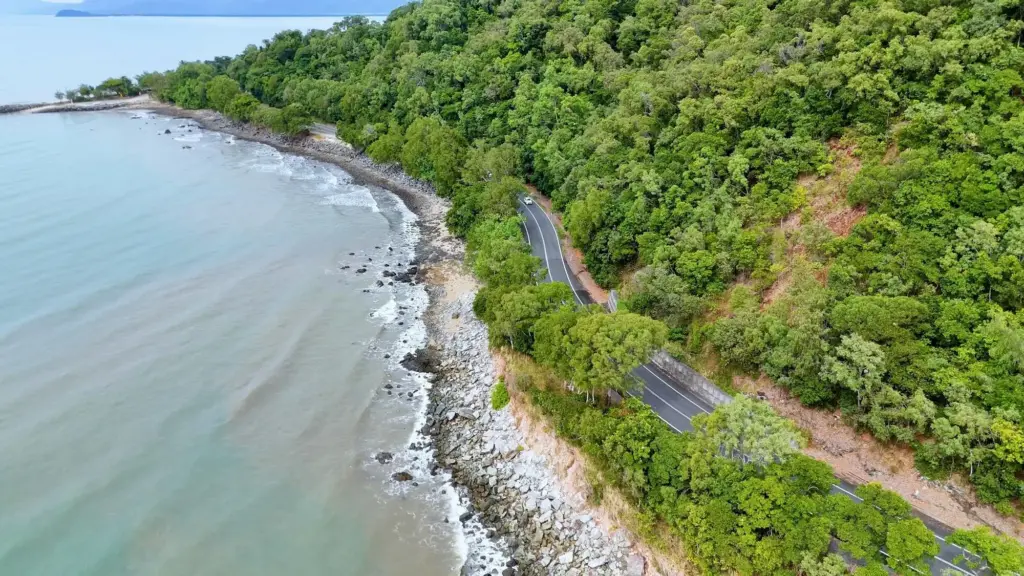
Not every day needs dramatic climbs. Coral sands near Claigan and long views toward the Outer Hebrides at the island’s southern tip invite softer footsteps and generous pauses. Reach villages by bus, then follow quiet roads or established tracks to wave-polished shores. Tides paint colors across the shallows; wind writes ripples in dune grass. Pack extra layers, give grazing animals space, and time your return with a comfortable buffer. Unhurried hours here restore energy for the island’s wilder edges.

Coral Beach Stroll near Dunvegan

From the village, a gentle road and track lead toward bright sands made from maerl fragments, glowing cream against turquoise water. Watch oystercatchers, scan for curious seals, and linger while clouds lift and reveal subtle blues. Keep to the path, sidestep muddy spots rather than widening the trail, and leave shells where they rest. Share a picnic thoughtfully, pack out crumbs, and give yourself ample minutes to return to the bus stop with calm, sandy contentment.

Point of Sleat: Track to a Lighthouse and Quiet Bay

Buses connect to southern villages, where a clear track heads toward the peninsula’s tip. Rolling moorland, occasional boggy patches, and big skies lead to a tiny lighthouse and a beach with luminous shallows. Respect croft boundaries, keep dogs close, and yield graciously on narrow sections. On bright days, distant islands appear like painted cutouts. Bring a windproof layer, protect your map, and start the return in good time. Sunset is glorious here, but schedules deserve equal respect.